Vietnam, Cambodia, Laos visa and arrival card rules in one quick guide for Indian agents. E-visa costs, digital cards, and the 2026 changes that matter.
Indochina Entry Rules 2026: A Quick Guide for Indian Travel Trade Partners
Vietnam, Cambodia, and Laos are all fully open in 2026, and combined Indochina itineraries are one of the fastest growing segments out of India this year. But the entry rules across the three countries have changed significantly since COVID, and many agents are still working off outdated information.
This is a quick reference for your sales desk. One table, three countries, all the current visa and arrival card requirements as of June 2026.
The Side-by-Side Comparison
| Item | Vietnam | Cambodia | Laos |
|---|---|---|---|
| Visa required for Indians | Yes | Yes | Yes |
| Official e-visa portal | evisa.gov.vn | evisa.gov.kh | laoevisa.gov.la |
| E-visa cost (single entry) | USD 25 | USD 36 | USD 50 |
| E-visa cost (multiple entry) | USD 50 | Not available | Not available |
| E-visa processing time | 3 to 5 working days | 3 business days | 3 working days |
| E-visa stay duration | Up to 90 days | Up to 30 days | Up to 30 days |
| Visa on Arrival | Airport only, approval letter needed | Airport + land borders, USD 30 cash | Airport + land borders, USD 35 to 50 cash |
| Passport validity | 6 months + 2 blank pages | 6 months + 2 blank pages | 6 months + 2 blank pages |
| Digital arrival card | Yes | Yes | Yes |
| Card name | Digital Arrival Card | e-Arrival Card (CeA) | Lao Digital Immigration Form (LDIF) |
| Card portal | prearrival.immigration.gov.vn | arrival.gov.kh | Official Lao immigration site |
| Card mandatory since | April 15, 2026 (SGN); June 2026 (HAN) | September 1, 2024 | September 1, 2025 |
| Submission window | Within 72 hours before arrival | Within 7 days before arrival | 2 to 3 days before arrival |
| Card cost | Free | Free | Free |
| Special exemption | Phu Quoc 30 days (strict conditions) | None | None |
| Additional requirement | Health Declaration from July 1, 2026 | Combined into e-Arrival Card | None |
Country-by-Country Snapshot
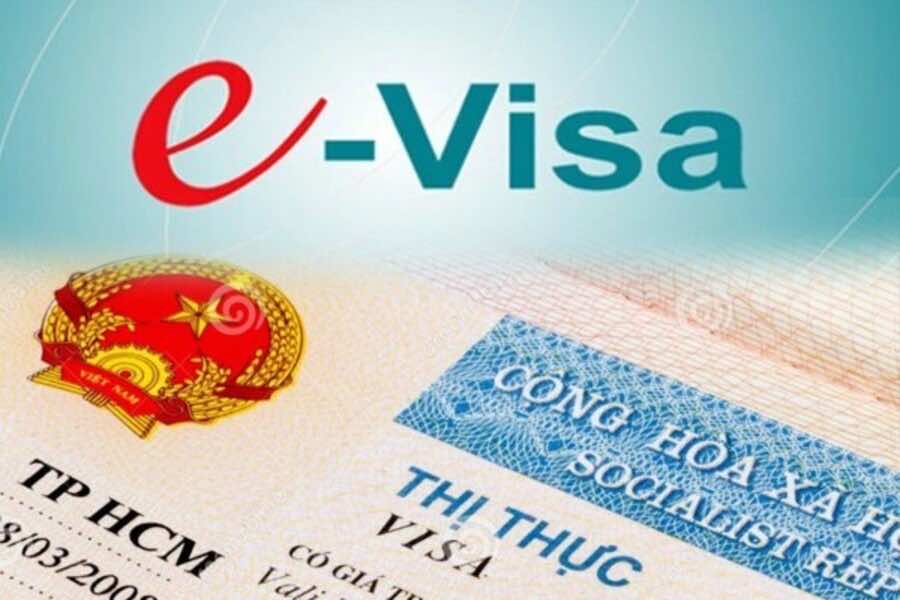
Vietnam. The most popular Indochina destination for Indian travelers. The 90-day e-visa at USD 25 is the default for almost any leisure or business client. The Digital Arrival Card is now mandatory at Tan Son Nhat (Ho Chi Minh City) and Noi Bai (Hanoi), with Da Nang next in line. From July 1, 2026, a separate Health Declaration under Decree 165/2026 also applies to all border crossings. The Phu Quoc 30-day visa exemption exists but has caused real problems for Indian travelers who needed to touch the mainland. Default to the e-visa unless your client is doing an island-only beach trip.
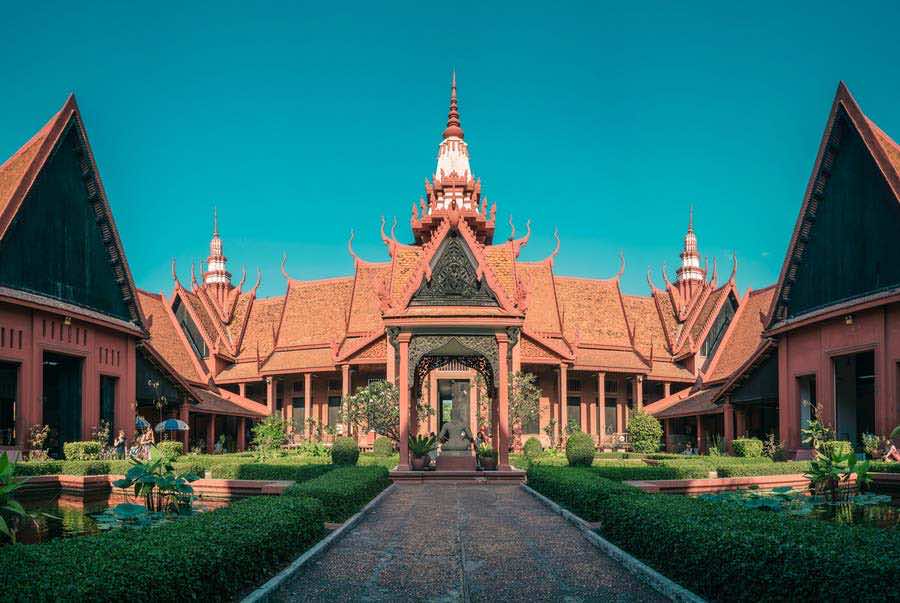
Cambodia. Angkor is still the headline draw, and the new Siem Reap-Angkor International Airport (SAI) makes access easier than ever. The e-visa costs USD 36, processes in 3 days, and is valid for 90 days from issue with a 30-day permitted stay. The e-Arrival Card is mandatory for all air arrivals at Phnom Penh, Siem Reap, and Sihanoukville. It combines what used to be three separate forms (immigration, health, customs) into a single QR code. Land borders still use paper forms.
Laos. The quiet underrated option in Indochina, and a perfect add-on for Indian clients who already know Vietnam and Cambodia. The e-visa costs USD 35 to 50 for a 30-day single entry. The Lao Digital Immigration Form (LDIF) has been mandatory since September 1, 2025, at Vientiane (Wattay), Luang Prabang, Pakse airports, and the First Lao-Thai Friendship Bridge. VOA remains available but is slower at land borders.
For Your Sales Desk: Four Operational Rules
- Default to e-visas for Indian clients on all three countries. The total visa cost for a full Indochina trip is under USD 110 per person, all processed online within a week.
- Brief every client on the relevant arrival card. Three countries means three forms and three QR codes. The cards are separate from the visa and apply even to visa-exempt or transit travelers.
- Use only the official portals. Copycat websites charge USD 20 to 50 for what are free government forms. Add the three correct links to every booking confirmation you send.
- Plan the entry sequence for combo trips. The most common Indian Indochina itinerary is Vietnam-Cambodia, often with a 3 or 4 day Laos add-on. Each country needs its own visa and arrival card. Each must be applied for separately. There is no joint Indochina visa.
Why This Matters for Your Margin
Visa and arrival card hiccups are now the single biggest cause of negative reviews on Indochina trips from India. Not the hotels, not the guides, not the flights. The paperwork. Get this right at the booking stage and you remove almost all the operational risk before the client even boards.
At Absolute Asia Travel, we handle all three countries from our Hanoi base as a single integrated DMC. Send us your Indochina passenger lists and we will sort the visa routing, arrival cards, and ground logistics before you quote the trip.